

A Guide to Painting Before Selling Your Home

A buyer may overlook an older light fixture or a dated cabinet pull. They are far less likely to overlook scuffed walls, peeling trim, or a faded exterior. This guide to painting before selling helps Prescott-area homeowners focus their budget where fresh paint can make the strongest first impression - without taking on unnecessary work just before a move.
Paint is not a guaranteed way to add a specific dollar amount to a sale price. Market conditions, the home’s condition, and the quality of the work all matter. But a clean, well-maintained paint job can reduce buyer objections, improve listing photos, and help buyers picture themselves living in the home rather than calculating their first weekend of repairs.
Why painting before selling can pay off
Most buyers form an opinion quickly, often before they walk through the front door. Exterior paint, the entryway, and the main living spaces set the tone. If those areas look cared for, buyers are more likely to assume the home has been maintained in other important ways as well.
Fresh paint also removes distractions. A dramatic accent wall, dark bedroom color, handprints in a hallway, or mismatched touch-ups may not affect how the home functions, but they can make rooms feel smaller, darker, or more personal. Neutral, consistent finishes allow the architecture, natural light, flooring, and layout to do more of the work.
For sellers, the practical advantage is straightforward: painting can be one of the more efficient updates when existing surfaces are structurally sound but visually tired. It is usually more affordable and less disruptive than replacing flooring, remodeling a kitchen, or changing countertops. The best results come from choosing the right scope instead of automatically repainting every surface.
Start with the areas buyers notice first
Walk through your home as if you were seeing it for the first time. Begin at the street, approach the front door, then move through the entry, living room, kitchen, bathrooms, hallways, and primary bedroom. Look for peeling paint, obvious patches, smoke or water stains, dents, dirty baseboards, and colors that make a room feel unusually dark or closed in.
Exterior condition deserves special attention in Prescott’s high-desert climate. Intense sun, temperature changes, wind, and monsoon moisture can wear down coatings over time. Fading, chalking, cracking, or exposed wood can signal deferred maintenance to buyers. A properly prepared exterior repaint protects the home as well as improves curb appeal.
Inside, prioritize the rooms that appear most often in listing photos and showings. If the living room, kitchen, entry, and main hallway are in good shape, a whole-house repaint may not be necessary. On the other hand, if colors vary sharply from room to room or the walls have widespread wear, a consistent interior repaint may create a more polished result.
Do not paint over problems
Paint should improve a sound surface, not hide a condition that needs repair. Water stains should be traced to their source. Cracked stucco, damaged drywall, loose caulking, wood rot, and peeling coatings need proper preparation before paint goes on.
This is where workmanship matters. A quick coat over poor preparation may look acceptable for a short time, but flaws can reappear during inspections or after the buyer takes possession. Cleaning, scraping, sanding, patching, priming, and caulking are not glamorous steps, but they are what make a finish look clean and last.
Choosing colors that help buyers see potential
The safest selling colors are generally light to medium neutrals with enough warmth to feel welcoming. Soft warm whites, greiges, taupes, and muted beige tones tend to work well because they reflect light and coordinate with a wide range of furnishings. The goal is not to make the home bland. It is to create a backdrop that feels clean, current, and easy for buyers to personalize.
Pure bright white can look stark in Prescott’s strong natural light, while cool grays can sometimes read blue or flat beside warm flooring and desert-toned exterior materials. Paint color changes significantly based on sunlight, shade, ceiling height, and adjacent finishes. Sample colors in the actual room and view them at different times of day before making a final decision.
For exteriors, work with the home’s fixed elements: roof color, stone, brick, stucco, walkways, and landscaping. A color that looks appealing on a small sample can feel much stronger across an entire façade. If your neighborhood has an HOA, confirm approved color requirements before scheduling the work. Addressing paperwork early prevents last-minute delays when your listing timeline matters.
Keep the palette connected
You do not need every room to be identical. Still, the colors should transition naturally from one space to the next. A connected palette helps the home feel larger and more intentional during a showing.
If an existing color is neutral, clean, and consistent, targeted touch-ups may be enough. If the paint has faded, has multiple prior touch-ups, or has a sheen mismatch, repainting the full wall often looks better than trying to spot-repair it. A visible patch can draw more attention than the original scuff.
Where sellers often overspend
Painting before a sale should be strategic, not perfectionistic. Repainting closets, garages, low-visibility utility areas, or every cabinet may not produce the same return as refreshing the entry and primary living areas. It depends on the home’s price range, the condition of those spaces, and buyer expectations in the neighborhood.
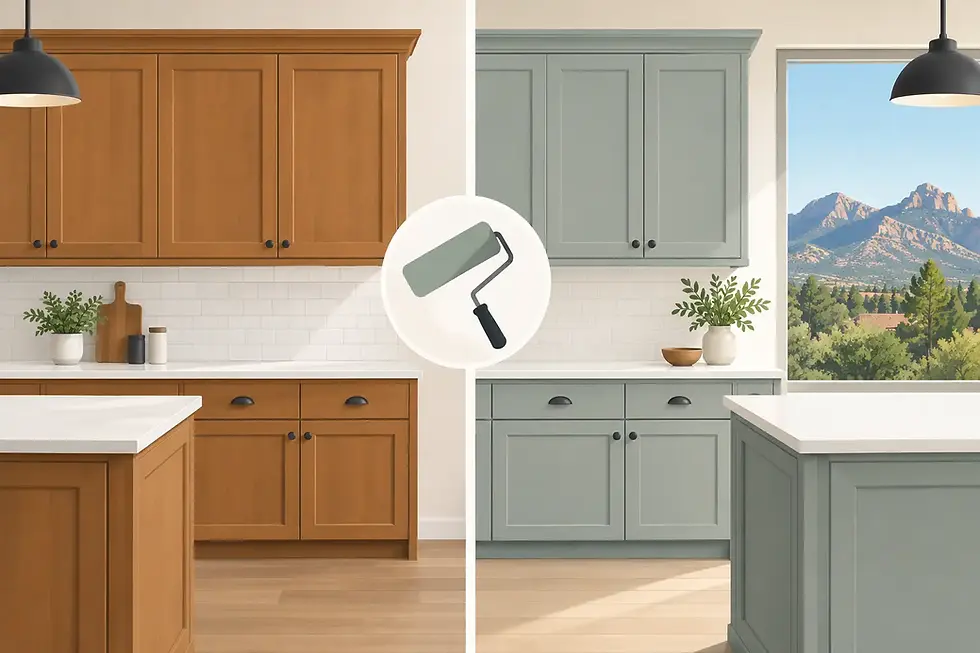
Cabinet refinishing is a good example. Worn, heavily dated, or damaged cabinets can make an otherwise cared-for kitchen feel tired. Professionally refinishing them may be worthwhile when replacement is not in the budget. But if cabinets are already in good condition and only the wall color is working against the room, painting the walls and improving hardware or lighting may be the more sensible choice.
Avoid chasing every trend. Buyers respond well to homes that feel cared for, but an overly stylized color scheme can narrow appeal. Save bold choices for your next home, and keep the pre-sale project focused on broad appeal, durability, and a clean finish.
Plan the project around your listing date
A rushed paint project can create avoidable stress. Give yourself enough time for color selection, HOA approval if needed, surface repairs, painting, curing, cleaning, staging, photography, and showings. Paint may feel dry within hours, but fresh coatings benefit from time before furniture is pushed against walls or rooms receive heavy traffic.
Before requesting estimates, decide what needs attention and what can stay. Share your anticipated listing date, whether the home will be occupied during the work, and any repairs you have noticed. A clear scope makes it easier to compare proposals fairly. Look for an estimate that explains preparation, paint areas, materials, timing, and final expectations instead of relying on a vague price alone.
Professional painters should also protect floors, furnishings, landscaping, and nearby surfaces. If you are living in the home while preparing to sell, ask how the crew will organize the project to keep disruption manageable. Reliable scheduling and clear communication are especially valuable when you are coordinating cleaners, photographers, real estate agents, and movers.
A final walk-through before photos and showings
Once the painting is complete, inspect the work in daylight and with interior lights on. Look along walls from an angle, check trim lines, open doors, and view the exterior from the curb. Small items are easiest to address before the home is staged and photographed.
Then keep the finish looking its best. Use gentle cleaning methods, avoid leaning furniture against freshly painted walls, and have a plan for quick touch-ups if a moving box leaves a mark. A home does not have to look newly built to sell well. It needs to look honestly cared for, clean, and ready for its next owner.
If you are preparing a Prescott-area home for the market, a detailed painting estimate can turn a vague to-do list into a clear plan. The right project is the one that gives buyers confidence from the curb to the final room - while keeping your sale timeline and budget firmly in view.


Comments