
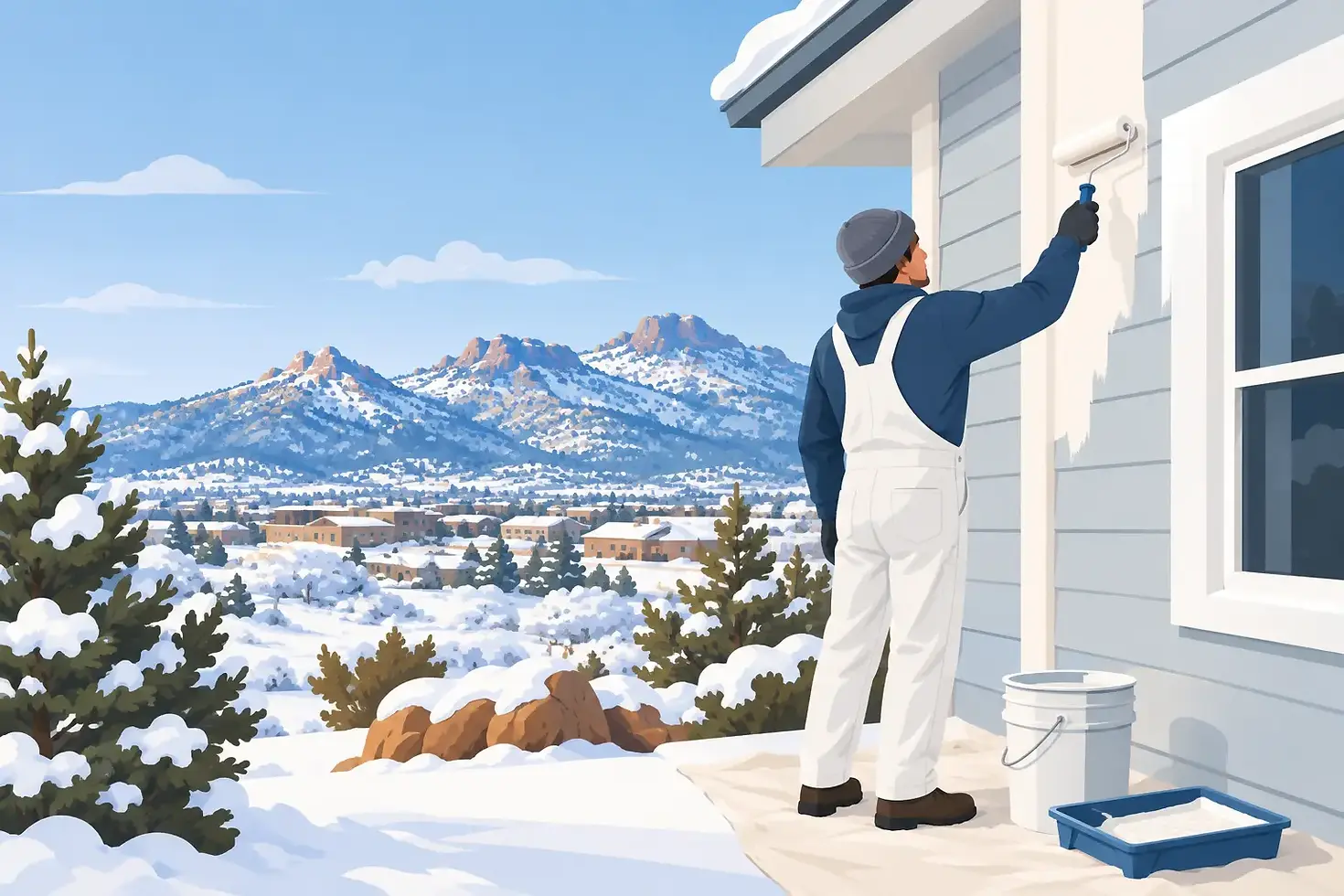
Is Winter a Good Time to Paint in Prescott?

A fresh coat of paint can make a home feel cleaner, brighter, and better cared for before spring arrives. But is winter a good time to paint? In Prescott, the answer is often yes, especially for interior projects. Exterior work can also be a smart choice when it is planned around the forecast, surface conditions, and the specific coating being used.
Winter painting is not about taking chances with cold weather. It is about choosing the right project, preparing it properly, and working with a crew that knows when conditions are right. For homeowners who want dependable scheduling, clear pricing, and a finish built to last, winter can be one of the most practical times of year to get started.
Is Winter a Good Time to Paint Indoors?
For most interior painting projects, winter is an excellent time to paint. Your walls, ceilings, trim, doors, cabinets, and built-ins are protected from rain, frost, direct outdoor sun, and wind. The main goal is maintaining a comfortable indoor environment while the paint dries and cures.
A professional crew can help manage the details that affect the finish: indoor temperature, reasonable airflow, surface cleaning, patching, and proper dry time between coats. Modern low-odor, low-VOC paint options also make interior projects more comfortable for occupied homes, provided the rooms can be ventilated appropriately.
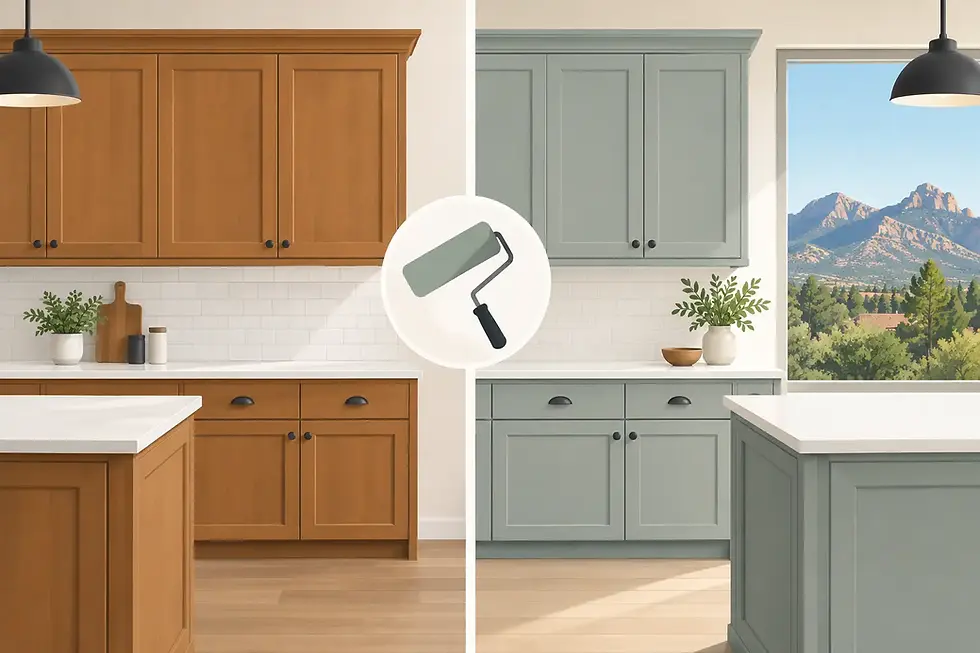
Winter is particularly well suited for rooms that have been on the to-do list for too long. Guest bedrooms, living areas, home offices, hallways, and outdated kitchen cabinets can all be refreshed without waiting for the busy spring and summer seasons. If you are preparing for family visits, listing a home, or simply tired of looking at worn walls, there is no reason to postpone a well-planned interior project.
Interior painting still needs the right conditions
Indoor painting is more forgiving than exterior work, but it is not automatic. Paint should not be applied in a cold, damp house with no air circulation. Extremely low indoor temperatures can slow drying and affect how smoothly paint levels on a surface.
A dependable painter will confirm that the home is appropriately heated, protect furniture and flooring, and keep the project organized from preparation through cleanup. That process matters as much in winter as it does in July. Good paint cannot hide poor drywall repairs, greasy cabinet doors, or skipped prep work.
Winter Exterior Painting in Prescott Depends on the Forecast
Exterior painting has a more qualified answer. Winter can be a good time to paint outside in Prescott, but only when temperatures and weather conditions fall within the paint manufacturer's recommended range. The daytime forecast alone is not enough.
Paint needs suitable conditions during application and for the drying period that follows. A sunny afternoon may look ideal, but a sharp temperature drop after sunset, overnight frost, lingering morning moisture, or an incoming storm can create problems. Painting on a surface that is too cold or damp can lead to poor adhesion, uneven sheen, blistering, peeling, or a shortened service life.
Prescott's winter weather can shift quickly. Bright, dry days are common, but elevation, shade, wind, and overnight freezing temperatures all deserve attention. The north side of a home may hold moisture longer than a sunny south-facing wall. Stucco, wood, siding, trim, metal, and masonry can also respond differently to temperature changes.
That is why an experienced local painting contractor does not simply show up and paint because the calendar says there is an opening. The crew should assess the surface, monitor the forecast, and schedule exterior work for the windows when conditions support a durable result.
What a careful exterior plan looks like
A quality exterior project begins with an inspection, not a paintbrush. The painter should look for peeling paint, cracked caulk, damaged wood, chalky surfaces, staining, and areas where water has been getting behind the existing coating. Those issues need to be corrected before new paint is applied.
From there, the schedule should account for temperatures, sun exposure, moisture, and dry time. Some days may be appropriate for pressure washing, scraping, repairs, caulking, priming, or protected areas of the home, while final coats wait for a better weather window. This approach may require flexibility, but it protects the investment you are making in your property.
A painter who promises to complete every exterior project on a rigid winter timeline, regardless of conditions, is creating risk. Reliable service means showing up prepared and on time, but it also means being honest when weather calls for a short delay.
Why Winter Can Be a Smart Time to Schedule Painting
Homeowners often assume they need to wait until spring. That can create a crowded schedule just as temperatures improve and everyone begins planning exterior maintenance. Starting the conversation in winter can give you more time to make decisions without pressure.
It is also a useful season for color selection. Natural light changes throughout the day and throughout the year, especially in Prescott's clear, high-desert environment. Testing colors on your actual walls and viewing them in morning, afternoon, and evening light can prevent expensive second guesses. A soft gray that looks crisp indoors may appear cooler outside on an overcast day, while a warm neutral can read very differently in direct sun.
Winter planning is especially helpful for projects involving HOA approval. If your neighborhood has color requirements or exterior-change paperwork, handling those details before the spring rush can keep the project moving when the right painting weather arrives. A contractor that understands the process can help reduce that friction rather than leaving you to sort it out alone.
For commercial property owners and managers, winter can also offer a practical opportunity to schedule work around slower periods, tenant needs, and operating hours. Interior repainting, office updates, common-area refreshes, and cabinet or trim refinishing can often be phased to minimize disruption.
When You Should Wait Until Spring
There are times when waiting is the better decision. If an exterior surface remains damp, nighttime temperatures are expected to fall below the coating's requirements, or rain and snow are likely before the paint has time to cure, a professional should reschedule the final application.
You may also want to wait if your project involves major exterior repairs that cannot be completed safely in current conditions. Rushing wood replacement, stucco repair, or extensive preparation work simply to meet a preferred date rarely produces the best result.
That does not mean putting the entire project on hold. Winter is still a good time for an inspection, a detailed quote, color guidance, HOA preparation, and repair planning. A fixed, upfront estimate gives you clarity on the scope and cost before painting season becomes busy.
How to Prepare Your Home for a Winter Painting Project
A little preparation helps your project stay efficient and low-stress. For interior work, remove fragile items from the room, clear small furniture when possible, and identify any wall damage or stains you want addressed. Let the painting team know about pets, work-from-home schedules, alarm systems, or rooms that need to remain accessible.
For exterior work, keep access paths reasonably clear and point out concerns such as leaks, loose boards, previous peeling, or problem areas around windows and doors. If HOA approval is required, begin that process early. The more information your painter has before work begins, the easier it is to build a realistic plan.
You should also expect a clear conversation about what is included. Ask how surfaces will be prepared, what paint system is recommended, how weather delays are handled, and what workmanship protection is provided after the job is complete. Straight answers before the project starts are one of the best signs that a contractor respects both your home and your budget.
Choose Results Over a Convenient Date
The right time to paint is not determined by the month alone. It is determined by the project, the surfaces involved, the weather, and the quality of the preparation. Interior painting can move forward confidently through much of winter, while exterior painting should be scheduled around suitable conditions rather than forced onto the calendar.
At Pronghorn Painting, that means treating your home or business with care from the first consultation through final walkthrough. A winter estimate can give you a clear plan now, whether the right next step is an immediate interior refresh or a carefully scheduled exterior transformation when conditions are ready.


Comments